Understanding Time Zone Changes on Long-Haul Flights
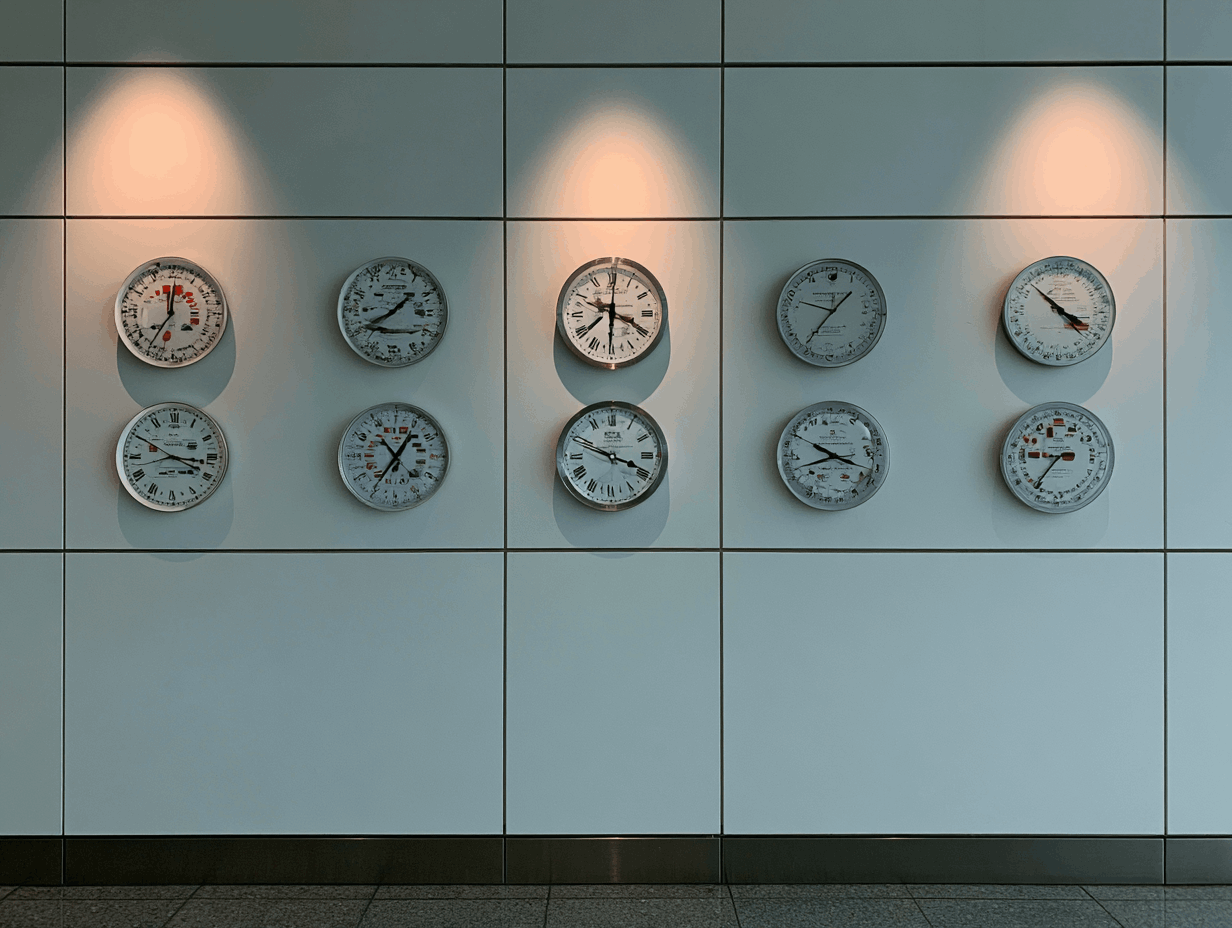
Calculating the real arrival time starts with the scheduled departure and the total flight duration. Add the flying hours to the local departure time, then adjust for the time difference between the two cities. If you leave at 10 in the evening and the flight lasts twelve hours into a zone eight hours ahead, the local arrival clock will show something closer to midday the next day rather than the raw addition of hours. Always check both the departure and arrival cities against a reliable time zone list because some places shift with daylight saving and others do not.
Crossing several zones eastbound usually feels harder than westbound. Your body clock prefers to delay sleep rather than advance it. For a typical route from Europe to Asia or from the Americas to Europe, try shifting bedtime earlier by half an hour or an hour each night in the days before departure. Westbound trips let you stay up a little later instead.
During the flight set your watch to the destination time as soon as you board. Sleep when it is night-time there and stay awake when it is daytime, even if that means short naps timed carefully. Drink water regularly and skip heavy meals or too much alcohol because both make the adjustment slower.
Once you land seek daylight at the right moments. Morning light helps after an eastbound journey while late-afternoon light suits a westbound one. Keep the first local night short if needed and avoid long daytime sleeps that lock your body into the old schedule. Most people need roughly one day of recovery for every time zone crossed, a bit more when flying east. Simple consistency with light, sleep and meals usually brings the body around faster than any complicated plan.
Get occasional notes when we add fresh advice or important rule changes. No spam, just useful updates.