Hand Luggage Size Rules for Major Airlines
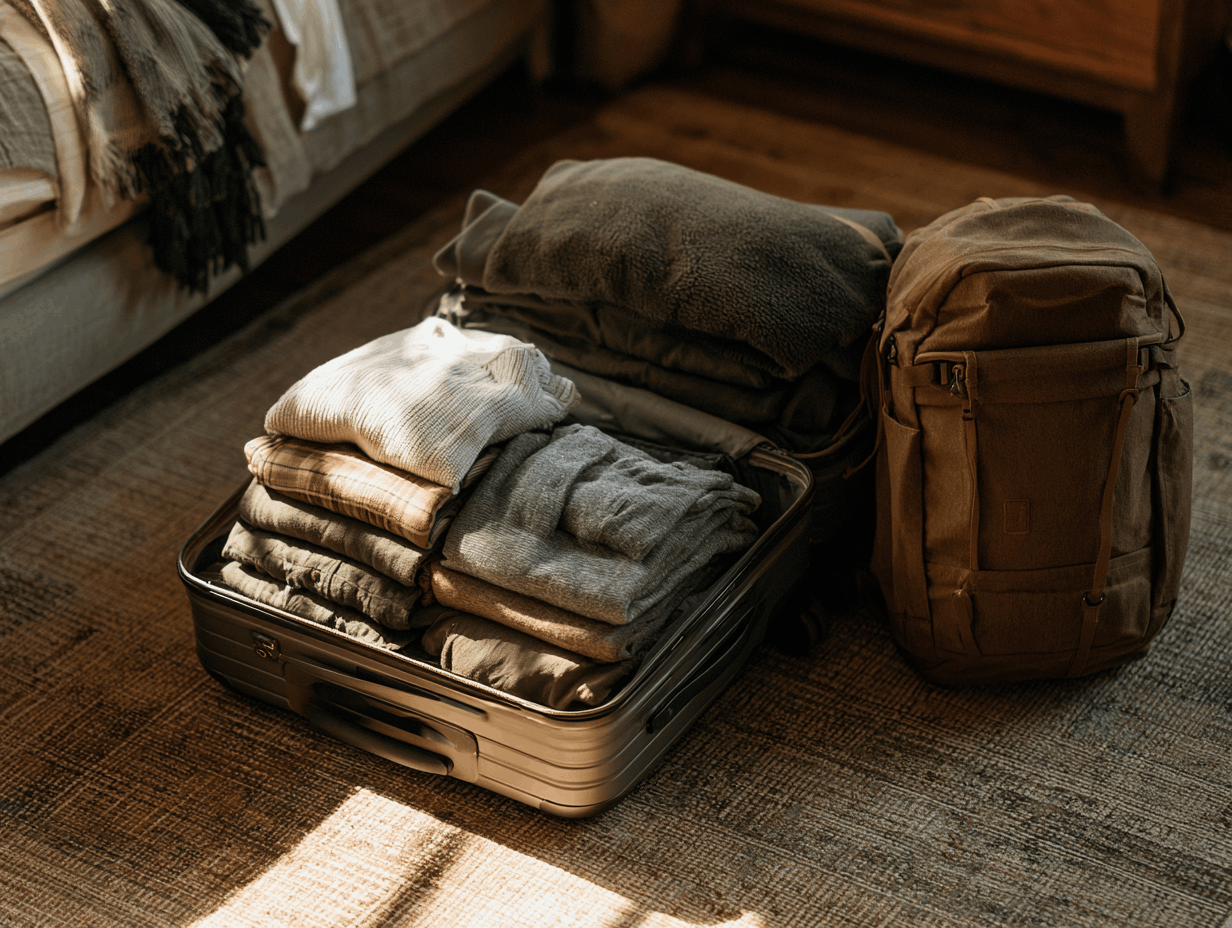
Most carriers set cabin bag limits around fifty-five by forty by twenty centimetres including wheels and handles, though the exact numbers shift a little from one airline to another. Weight caps often sit between seven and ten kilograms. Soft bags that can compress slightly stand a better chance than rigid cases that push every edge of the limit.
Liquids follow the familiar security rule almost everywhere. Each container must hold no more than one hundred millilitres and all of them go inside a single clear resealable bag of roughly one litre capacity. That bag has to come out of your hand luggage at the security point. Larger bottles of water or toiletries bought after security are usually fine to carry on board.
At the gate staff look first at overall size. If the bag does not fit the sizer easily it often gets tagged for the hold, sometimes with an extra fee. Overstuffed backpacks that bulge sideways or bags with long straps hanging loose also draw attention. Items that stick out, such as tripods or large camera gear, frequently get refused unless they can be packed flat inside the main bag.
Personal items like a small handbag or laptop sleeve are often allowed in addition to the main cabin bag on many routes, provided they fit under the seat. Sharp objects, large liquids and anything that looks like it could be used as a weapon stay off the list. When in doubt measure your bag at home with the wheels and handles included and leave a little spare room. A bag that slides into the sizer without force almost always boards without trouble.
Get occasional notes when we add fresh advice or important rule changes. No spam, just useful updates.